Conquer The World WW2 Missiles & Forts Guide
Fortified borders, missile strikes, and how late-game weapons interact with conventional combat and nukes.
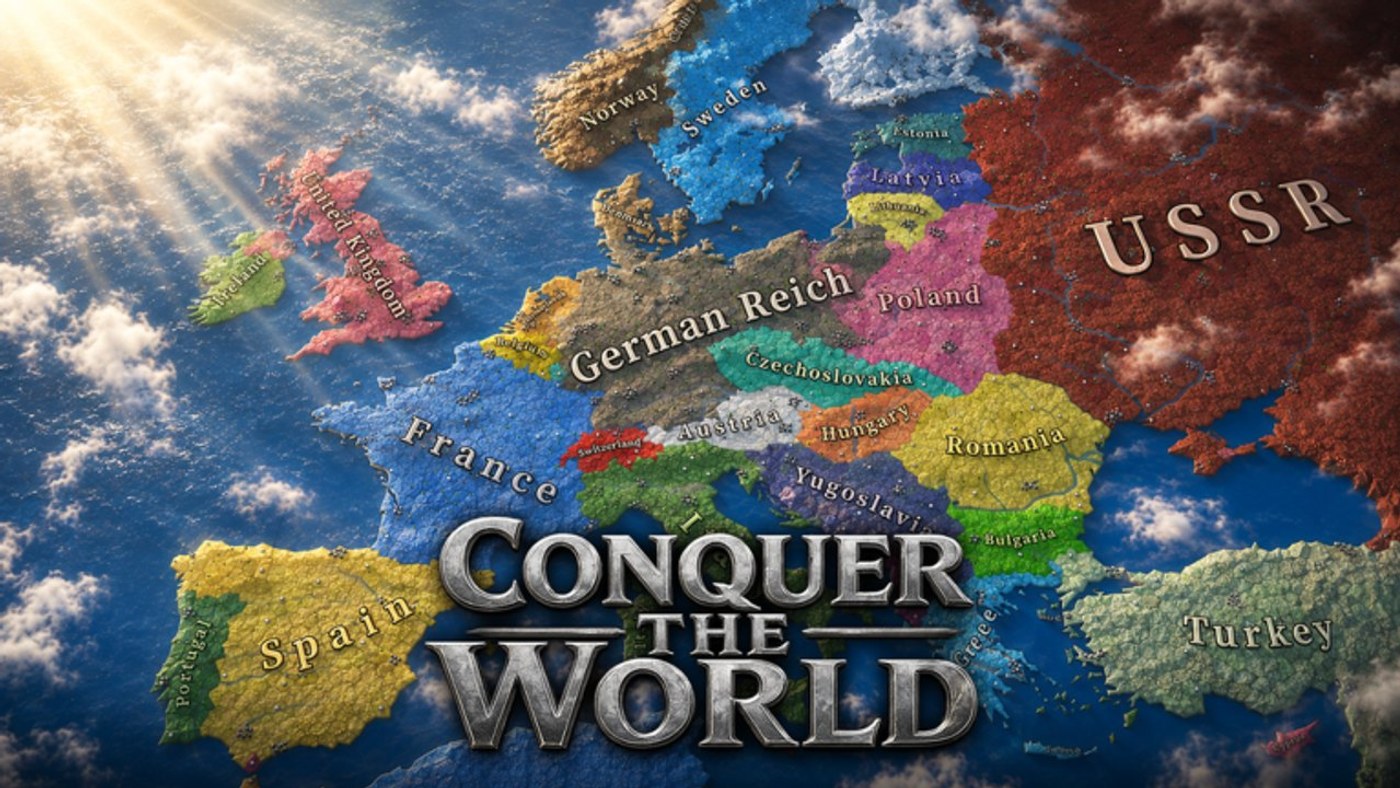
The Missiles & Forts update is live in Conquer The World WW2 (CTWWW2), and it meaningfully changes how nations defend contested borders and how late-game wars are decided. Before this patch, fortifications were a minor consideration and missile systems barely registered in most matches. Today they sit alongside conventional warfare and the nuclear research chain as tools that experienced commanders plan around from the midgame onward. This guide explains how forts defend, how missiles shift the late game, and how both systems interact with diplomacy and escalation.
What the Missiles & Forts update changed
According to the official Roblox game description, the Missiles & Forts update is currently live and adds defensive fortification depth plus a missile layer that extends beyond standard front-line combat. If a strategy you read predates this patch, treat any advice that dismisses fort investment as outdated. Check the Latest Updates page for how this sits alongside the Nuke Rework and Puppet States features that shipped around the same period.
How fortifications defend
Fortifications in CTWWW2 are not cosmetic — they modify how an attacking front resolves against a prepared defender. When you invest in forts along a border you expect to hold, your divisions receive a defensive bonus that makes head-on assaults costlier for the attacker in manpower and equipment. This is especially valuable for small nations that cannot win a straight production race against a major power; a fortified mountain or river line can buy weeks of survival while you negotiate trade or alliances through Diplomacy.
Forts work best when paired with a realistic force allocation. Empty fortifications without divisions assigned to the front still lose eventually — the bonus slows attackers but does not replace troops. Plan fort construction on borders you can actually supply with manpower and equipment from your economy, not on every province you own.
Where to build forts
Prioritize chokepoints: narrow borders, mountain passes, river crossings, and the single land bridge a neighbor must cross to reach your capital region. Building forts on a wide open plain with multiple flanking routes wastes resources because attackers can simply shift the front. If you are a minor power sandwiched between two majors, fort the direction you cannot diplomatically neutralize first.
Major powers use forts differently — often as a speed bump on secondary fronts while the main army pushes elsewhere. A puppet state on a fortified frontier (see Puppet States) can hold a buffer zone without pulling your best divisions off the primary offensive.
How missiles change the late game
Missiles introduce a strategic-strike layer that bypasses the slow grind of front-line combat in some situations. Unlike conventional divisions that must fight province by province, missiles can punish concentrated targets — stacked armies, dense industrial zones, or a capital region that an opponent left exposed. This does not replace ground forces entirely, but it gives a nation with a mature economy and research base a way to shape wars without committing every division to a single front.
Missiles sit in a different escalation tier from nukes. They are generally easier to bring online than the full Industry-to-Bomber-to-Nuke chain documented in Research & Nukes, but they still demand industrial and research investment you cannot afford if you are still struggling with basic infantry equipment. Treat missiles as a mid-to-late-game project for nations that have already stabilized their economy and secured at least one quiet border.
Missiles vs conventional warfare
On offense, missiles soften a target before a ground push — use them to break a fortified line or force an opponent to spread divisions thin, then commit your main army to the weakened sector. On defense, expect the same from rivals: if you stack every division on one border, you are presenting a missile-friendly target. Spreading high-value forces and keeping reserves off the front line reduces the payoff an opponent gets from a strike.
Missiles also interact with the front system described in the Warfare guide. A front that has stalled for days may shift quickly after a successful missile hit degrades enemy equipment stockpiles or manpower concentration. Always recheck front strength after a strike rather than assuming the pre-strike balance still holds.
Missiles, forts, and nukes together
Once a match reaches WW3-era technology, you may face three layers of escalation on the same border: conventional divisions, missiles, and nuclear weapons. Forts still matter in this environment because they raise the cost of a ground follow-up after a missile hit — they do not stop nukes, but they can prevent a weakened neighbor from walking in after a strike. Nukes remain the highest escalation step; the Nuke Rework that is live alongside Missiles & Forts adjusted how nuclear weapons fit into the broader weapons picture, so re-read Research & Nukes if your last match was before that change.
The practical rule: spread critical factories and research buildings so one nuke or missile salvo cannot delete your entire war effort. Concentrated industry was always risky; with live missile systems it is actively punished.
Diplomacy and Missiles & Forts
Forts and missiles both affect how allies evaluate your strength. A small nation with a fortified border is a more credible non-aggression partner because you are expensive to swallow quickly. A major power with missile capability becomes a more dangerous neighbor, which can push rivals into preemptive alliances — plan your diplomatic posture before your first missile launch, not after.
Common mistakes after the update
- Building forts everywhere instead of on chokepoints. Spread-out fort investment dilutes the benefit.
- Rushing missiles before your conventional army is viable. You can launch strikes and still lose the ground war that follows.
- Stacking all divisions on one fortified border. Missiles and nukes both reward targeting dense concentrations.
- Ignoring forts because you plan to go offensive. Even attackers need fallback lines when a front collapses.
- Assuming pre-update warfare guides cover fort math exactly. Verify against live servers after any balance pass listed on Latest Updates.
Checklist before investing in forts or missiles
- Economy stable enough to afford construction without starving infantry production.
- Research queue has bandwidth beyond your immediate military tech needs.
- Target borders identified — chokepoints for forts, high-value enemy concentrations for missiles.
- Diplomatic picture checked so a new weapon does not trigger a coalition you cannot fight.
- Conventional front plan in place so missiles support a ground strategy rather than replacing one.
Frequently Asked Questions
Quick answers to the most common questions.
Is the Missiles & Forts update live in Conquer The World WW2?
Yes — the official Roblox game description lists Missiles & Forts as a live update, alongside the Nuke Rework and Puppet States features.
Do fortifications work without troops assigned?
No — forts add a defensive bonus to held fronts, but an empty fortified border will still fall if you cannot supply divisions to man it.
Are missiles a replacement for a conventional army?
No — missiles punish concentrated targets and soften lines, but ground divisions still take and hold territory.
How do missiles compare to nukes?
Missiles are generally easier to bring online than the full nuclear research chain, but nukes remain the highest escalation tier with the most devastating single strikes.
Where should a small nation build forts first?
On chokepoints along the border you cannot secure diplomatically — narrow passes and river crossings where a defensive bonus matters most.