Conquer The World WW2 Nation Tier List
Ranking Conquer The World WW2 nations by starting strength and geopolitical position.
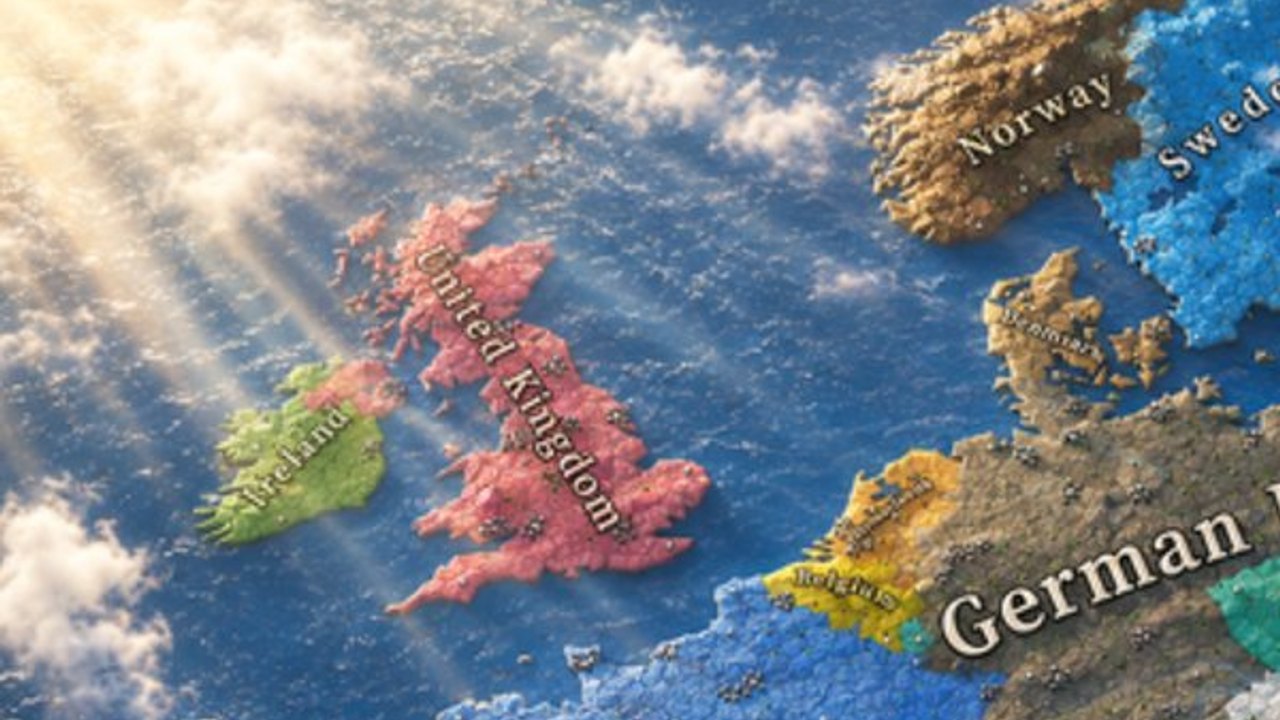
This tier list ranks Conquer The World WW2 (CTWWW2) nations by overall starting strength: industrial base, resource access, manpower pool, and how defensible their starting borders are. It is built for players who already understand the core mechanics and want the objectively strongest pick available, rather than the safest one — for that, see Best Starter Nations instead.
Ranking criteria
We weigh four factors when placing a nation: starting factory count and industrial capacity, access to key resources (steel, oil, aluminum, and uranium for a nuclear program), manpower pool relative to territory size, and the number and strength of bordering nations. A nation that scores well on the first three but sits between two major powers still gets pulled down a tier, since surviving the early game matters as much as long-term potential.
S-Tier: Dominant major powers
Nations in this tier start with large, diversified industrial bases, strong resource self-sufficiency, and enough manpower to fight extended wars without collapsing. They are typically historical major WW2 powers with the infrastructure to pursue the full research tree, including a realistic path to nuclear weapons well before the midgame ends. The tradeoff is that S-tier nations attract the most experienced players and become early diplomatic and military targets — read Major Powers before committing to one.
A-Tier: Strong regional powers
A-tier nations have solid industry and enough resources to compete regionally, but usually lack one key ingredient — either a smaller manpower pool, a resource gap that requires trade agreements to fix, or a more contested starting border. These nations reward players who actively manage diplomacy and economy rather than nations that can coast on raw starting strength alone.
B-Tier: Balanced mid-tier nations
B-tier nations are viable but require careful play. They typically have moderate industry, a manageable number of neighbors, and enough resources to sustain a defensive strategy, though offensive wars against A or S-tier neighbors are risky without allies. These are a reasonable step up once you have outgrown the nations on Best Starter Nations.
C-Tier: Situational or difficult starts
C-tier nations usually suffer from a combination of weak starting industry, a resource-poor position, and a difficult geographic situation — surrounded by stronger neighbors, landlocked with limited trade routes, or starting with a fraction of the manpower pool of nearby rivals. They are not unplayable, but they demand near-flawless diplomacy and economic management to survive the early game, let alone compete later.
How to use this list
Pick a nation from S or A tier if you want to test how strong the game’s top nations can become and you are comfortable navigating early diplomatic pressure. Pick from B or C tier deliberately if you enjoy a harder challenge or want to practice warfare and diplomacy under real resource constraints — just do not pick a C-tier nation for your very first session, since Best Starter Nations exists specifically to avoid that mistake.
Rankings shift with balance updates
Marian_Dev’s balance patches, including changes tied to puppet states and the Missiles & Forts update, periodically shift how strong a given nation feels — a resource change or a fortification rework can push a nation up or down a tier. Check the Updates hub for the latest patch notes if a placement here feels out of step with what you are seeing in-game.
Tier list versus playstyle
Remember that this ranking measures starting strength, not enjoyment. A lower-tier nation with a tricky starting position can be a far more interesting match if you enjoy the survival-focused strategy covered in Small Nation Tips, while an S-tier pick suits players who want to test major power management from turn one. Pick based on the experience you want, not purely the letter grade.
Frequently Asked Questions
Quick answers to the most common questions.
What criteria decide a nation's tier?
Starting industry, resource access, manpower pool, and the strength and number of bordering nations.
Are S-tier nations the best choice for every player?
Only if you are comfortable with early diplomatic pressure and experienced opponents — otherwise a B or A-tier nation, or a beginner-friendly pick, is safer.
Can a C-tier nation still win?
Yes, but it requires near-flawless diplomacy and economic management to offset a weaker starting position.
How often do tier placements change?
Whenever Marian_Dev ships a balance patch affecting resources, research, or fortifications — check the Updates hub for the latest changes.